
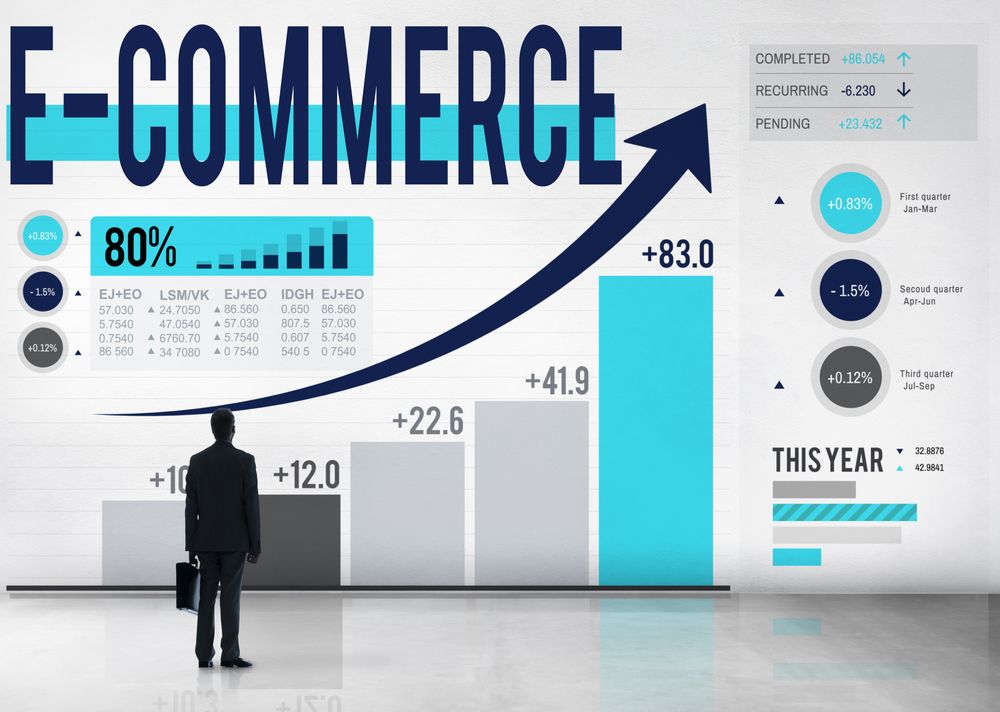
ISTAT survey on e-commerce: increase between 2020 and 2021
An analysis of the adoption of communication and information technologies by households and individuals revealed a 6.5% increase in the use of e-commerce in Italy between 2020 and 2021, with a significant increase in the number of users who have made at least one online purchase in the last three months, rising from 27.3% in 2020 to 34.8% in 2021. Istat researchers Laura Zannella and Rita Fornari, who conducted the study, stress that the ICT use module is harmonised at European level and is part of the annual survey Aspects of Daily Lifea since 2005, with the aim of collecting comparable data on the use of these technologies. Although private e-commerce continues to grow, there was a slight decline in online purchases in 2022, with a 2.1% decrease compared to the previous year, following the end of pandemic restrictions. In 2022, 48.2% of the population aged 14 and over used the Internet to buy goods or services, with men more inclined to shop online than women and young people aged 20 to 24 who stand out for a high purchasing rate.
The main goods purchased online include clothing and accessories
The main goods purchased online include clothing and accessories, followed by household items and multimedia content. Finally, although Italy has made progress in e-commerce, the usage rates are still below the European average, while the survey indicators support the monitoring of the European Union’s digital objectives for 2030, focusing on digital skills, transformation of businesses, infrastructures and digitalised public services.
"If the 16-74-year-old segment is analysed, so it is possible to make the European comparison, it appears that despite the progress made in Italy in this area of activity, the rates of use of electronic commerce are still below the EU27 average: it has made online purchases in the last 3 months 37.3% of the population of 16-74 years resident in Italy against 56.1% of the EU27 average".
Focus on the survey
The indicators of this survey are used for benchmark purposes and in particular help to measure the implementation of one of the six priorities for the period 2019-2024 of the European Commission."A Europe ready for the digital age". In addition, they facilitate the monitoring of the EU’s digital targets for 2030 set out in the strategic programme "Digital compass" which evolves around four cardinal points: skills, digital transformation of enterprises, secure and sustainable digital infrastructure and digitisation of public services.